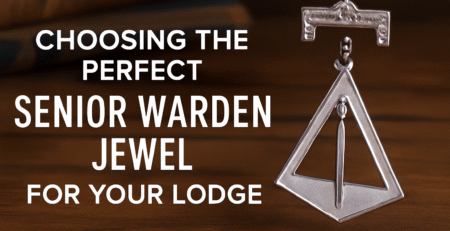
Why Every Mason Needs a Quality Masonic Jewel Holder
Every Master Mason understands the profound significance of their regalia. These sacred items represent centuries of tradition personal achievement and fraternal bonds that extend far beyond the lodge room. Yet many brothers overlook one crucial aspect of regalia care: proper storage and protection of their most precious ceremonial items.
A Masonic jewel holder serves as more than just a storage solution it’s a guardian of your fraternal heritage. Whether you’re safeguarding an heirloom Past Master’s jewel passed down through generations or protecting newly earned officer jewels the right holder ensures these treasured items maintain their dignity and symbolic power for years to come.
The investment in quality regalia deserves equally thoughtful protection. From the moment you receive your first officer’s jewel to the day you pass on your collection to the next generation proper storage directly impacts both the longevity and ceremonial significance of these irreplaceable items.
The Essential Purpose of Protective Cases in Regalia Preservation
Lodge jewels face numerous threats that can diminish their appearance and symbolic value. Dust accumulation moisture exposure and accidental damage pose constant risks to these delicate ceremonial pieces. Environmental factors like humidity fluctuations can tarnish metals and degrade fabric components while improper handling during storage can bend pins scratch surfaces or loosen decorative elements.
Professional jewel holders address these concerns through specialized design features. Quality cases incorporate moisture-absorbing materials protective padding and secure fastening systems that eliminate movement during storage. These elements work together to create a controlled environment that preserves the pristine condition of your regalia.
The preservation extends beyond physical protection. Masonic jewels carry deep symbolic meaning representing offices held degrees earned and service rendered to the fraternity. Maintaining their condition through proper storage demonstrates respect for these symbols and the traditions they represent.
Consider the financial investment involved in quality regalia. Officer jewels Past Master emblems and commemorative pieces often represent significant monetary value. Protective storage helps maintain this investment by preventing damage that could necessitate costly repairs or replacements.
Materials and Craftsmanship in Quality Holder Construction
The construction materials used in Masonic jewel holders directly impact their protective capabilities and longevity. Premium cases typically feature hardwood exteriors chosen for both aesthetic appeal and structural integrity. Common selections include mahogany walnut and cherry wood each offering distinct grain patterns and natural durability that complement the ceremonial nature of the stored items.
Interior lining materials play an equally important role in protection. Velvet remains the most popular choice due to its soft texture and elegant appearance. The fabric’s pile structure provides gentle cushioning while preventing scratches and abrasion. Silk alternatives offer similar benefits with enhanced moisture resistance particularly valuable in humid climates.
Metal hardware components distinguish quality holders from inferior alternatives. Brass hinges clasps and corner reinforcements not only provide superior durability but also complement the metalwork found in most Masonic regalia. These materials resist corrosion and maintain smooth operation even after years of regular use.
Padding systems within quality holders utilize layered foam construction to create secure compartments for individual items. This prevents jewels from shifting during transport and reduces the risk of contact damage between pieces. Custom-fitted compartments ensure each item rests in its designated space maintaining organization and accessibility.
The craftsmanship involved in creating these holders reflects the same attention to detail found in quality regalia itself. Hand-fitted joints precisely cut compartments and carefully applied finishes demonstrate the artisanal approach that resonates with Masonic values of excellence and precision.
Ensuring Safe Transport During Lodge Activities
Lodge meetings installations and degree work often require officers to transport their jewels between venues. Standard jewelry boxes or improvised containers rarely provide adequate protection during these journeys leaving precious regalia vulnerable to damage from impacts temperature changes and handling mishaps.
Purpose-built Masonic jewel cases feature reinforced construction designed to withstand the rigors of regular transport. Impact-resistant exteriors absorb shocks that could otherwise damage delicate items inside while secure locking mechanisms prevent accidental opening during movement.
Climate control becomes particularly important during seasonal transitions and travel between different environments. Quality holders incorporate materials that moderate temperature and humidity fluctuations protecting metal components from expansion and contraction that can stress joints and connections.
Organization features within transport cases ensure items remain secure and accessible during ceremonies. Individual compartments prevent tangling of chains and ribbons while allowing quick identification and retrieval of specific pieces. This organization proves invaluable during installations or degree work where timing and precision matter.
Professional appearance standards extend to the storage containers themselves. A well-crafted masonic jewel holder storage case reflects the dignity and formality expected in lodge settings presenting regalia in a manner worthy of its ceremonial significance.
Symbolic Significance of Safeguarding Fraternal Jewels
The act of carefully storing and protecting Masonic jewels carries deeper meaning beyond simple preservation. These practices demonstrate respect for the offices degrees and achievements the jewels represent embodying the Mason’s commitment to maintaining fraternal traditions.
Historical precedent supports the importance of regalia care within Masonic tradition. Grand Lodges worldwide have long emphasized proper storage and handling of ceremonial items as essential elements of fraternal education. This guidance reflects the understanding that physical care of symbolic objects reinforces their spiritual and intellectual significance.
The jewels themselves serve as tangible connections to the rich history of Freemasonry. A Past Master’s jewel links its wearer to centuries of leaders who have guided their lodges with wisdom and dedication. Proper storage honors this legacy while preparing these symbols for future generations of Masons.
Educational opportunities arise from organized well-maintained regalia collections. Lodge members particularly newer initiates can learn about different offices degrees and honors through examination of properly displayed and stored jewels. This hands-on education strengthens understanding of fraternal structure and traditions.
The discipline required for consistent regalia care mirrors broader Masonic teachings about attention to detail personal responsibility and respect for tradition. Brothers who maintain their jewels with care often demonstrate similar dedication in other aspects of their Masonic journey.
Role of Expert Craftsmanship in Design and Durability
Master craftsmen who specialize in Masonic regalia storage understand the unique requirements these items demand. Their expertise encompasses both practical protection needs and aesthetic considerations that honor the ceremonial nature of the contents.
Design elements specific to masonic jewel holder cases reflect deep understanding of regalia dimensions weights and vulnerability patterns. Compartment sizing accommodates standard jewel proportions while allowing for variations in manufacturing and design. Strategic padding placement protects the most vulnerable areas of common regalia pieces.
Traditional joinery techniques used in quality case construction provide superior strength compared to modern mass-production methods. Dovetail joints mortise and tenon connections and hand-fitted hardware create assemblies that withstand decades of regular use while maintaining structural integrity.
Surface finishing processes applied to premium holders involve multiple stages of sanding staining and protective coating application. These treatments not only enhance appearance but also provide long-term protection against moisture temperature variations and normal handling wear.
Quality control measures employed by reputable manufacturers ensure consistency across production runs. Individual inspection of hardware operation compartment alignment and finish quality guarantees each holder meets the standards expected by discerning Masons.
Customization options available from skilled craftsmen allow for personalization that reflects individual preferences or lodge-specific requirements. Engraved nameplates custom compartment configurations and specialized mounting systems accommodate unique collections while maintaining protective functionality.
Proper Storage Methods for Valuable Regalia
Implementing effective storage practices requires understanding the specific vulnerabilities of different regalia materials and components. Metal elements fabric components and decorative details each demand particular attention to maintain their condition and appearance over extended periods.
Temperature stability plays a crucial role in long-term preservation. Extreme heat can soften adhesives used in jewel construction while cold temperatures may make materials brittle and prone to cracking. Quality storage areas maintain consistent temperatures between 65-70°F to minimize stress on stored items.
Humidity control prevents the formation of tarnish on metal surfaces and mold growth on fabric components. Ideal storage environments maintain relative humidity levels between 30-50% achieved through climate control systems or moisture-absorbing materials placed within storage containers.
Light exposure particularly ultraviolet radiation can fade colors and degrade organic materials over time. Storage areas should minimize direct sunlight and fluorescent lighting exposure with cases positioned away from windows and bright artificial light sources.
Regular inspection schedules allow for early detection of potential problems before they cause irreversible damage. Monthly examinations of stored items reveal developing issues like loose components early tarnish formation or fabric deterioration that can be addressed promptly.
Cleaning protocols specific to different materials ensure maintenance activities don’t inadvertently cause damage. Gentle brushing removes dust accumulation while appropriate polishing products restore luster to metal surfaces without causing scratches or chemical reactions.
Inventory documentation provides valuable records of collection contents condition assessments and maintenance activities. Digital photography creates visual records that facilitate insurance claims and help track changes in item condition over time.
Contribution to Maintaining Fraternal Dignity
The appearance and condition of regalia directly impacts the dignity and solemnity of Masonic ceremonies. Well-maintained jewels enhance the visual impact of degree work and installations while damaged or poorly cared for items can detract from these meaningful experiences.
Lodge reputation often reflects the quality and condition of its regalia collection. Visitors form impressions based partly on the ceremonial items they observe making proper storage an investment in the lodge’s standing within the broader Masonic community.
Officer pride increases when regalia receives appropriate care and storage. Brothers wearing well-maintained jewels demonstrate respect for their positions and the fraternity as a whole setting positive examples for newer members.
Cost management benefits arise from proper storage practices that extend regalia lifespan and reduce replacement needs. Quality masonic jewel holder display systems protect investments while maintaining the appearance standards expected in formal lodge settings.
Educational value emerges from organized accessible regalia collections that allow for instruction and demonstration during lodge education programs. Properly stored items remain available for hands-on learning experiences that enhance member understanding of fraternal traditions.
Continuity preservation ensures regalia remains available for future generations of Masons. Today’s storage decisions directly impact whether current jewels will serve lodges for decades to come or require premature replacement due to preventable damage.
Frequently Asked Questions
What size masonic jewel holder do I need for a standard officer set?
Most standard officer sets require cases measuring at least 12″ x 8″ x 3″ to accommodate the largest jewels comfortably. Past Master jewels and elaborate designs may need larger dimensions so measure your specific pieces before purchasing.
How often should I inspect jewels stored in protective cases?
Monthly inspections allow for early detection of potential problems like tarnish formation or loose components. During humid seasons or after transportation more frequent checks help ensure optimal condition maintenance.
Can moisture-absorbing packets be used safely with Masonic regalia?
Yes silica gel packets designed for storage applications help maintain optimal humidity levels within cases. Replace packets annually or when they show signs of saturation to maintain effectiveness.
What’s the difference between display cases and storage holders?
Display cases emphasize visibility and presentation often featuring glass fronts and internal lighting. Storage holders prioritize protection during transport and long-term preservation typically offering more robust construction and better climate control.
Should vintage regalia receive different storage treatment?
Antique jewels may require specialized attention due to age-related material changes. Consult conservation professionals for items with historical significance or deteriorating components to ensure appropriate preservation methods.
How do I prevent tarnish on silver components during storage?
Store silver items in cases lined with anti-tarnish cloth or include anti-tarnish strips within compartments. Ensure cases seal properly to minimize air circulation that accelerates oxidation processes.
What cleaning should be done before long-term storage?
Remove dust fingerprints and surface contaminants using appropriate cleaning methods for each material type. Ensure items are completely dry before placing them in storage to prevent moisture-related damage.
Are wooden cases better than metal alternatives for jewel storage?
Wood offers natural moisture buffering properties and classic aesthetic appeal that complements ceremonial items. Metal cases provide superior security and durability for frequent transport but may require additional climate control measures.
How do I organize multiple jewels within a single case?
Use individual compartments or pouches to prevent contact between items. Arrange pieces by size frequency of use or ceremonial significance to optimize accessibility while maintaining protection.
Preserving Your Masonic Legacy Through Thoughtful Storage
The care you provide your Masonic regalia today determines its condition for future generations of brothers. Quality storage solutions represent more than practical necessities they embody the Mason’s commitment to preserving tradition maintaining dignity and honoring the symbols that connect us to centuries of fraternal heritage.
Investing in proper jewel holders demonstrates the same attention to detail and commitment to excellence that characterizes the finest aspects of Masonic practice. These tools ensure your regalia continues to inspire respect and reverence throughout your Masonic journey and beyond.
As you consider your storage needs remember that the best protection comes from understanding both the practical requirements and symbolic significance of your regalia. Choose holders that honor both aspects and your investment will serve you well throughout your fraternal lifetime.